
Indoor Air Quality Testing
What’s in the Air Inside Your Facility?
Indoor air quality problems aren’t always obvious. Contaminants can circulate through a building without a visible source, while ventilation, moisture, building materials, workplace processes, or recent renovations can contribute to concerns.
Brady Environmental Services, Inc. provides indoor air quality testing to identify airborne contaminants, investigate potential sources, and give commercial and industrial clients the information they need to address problems effectively.

Get Answers from Brady Environmental Services
Brady Environmental evaluates the conditions within your facility to help determine what may be affecting the air and what information you need to decide what happens next.
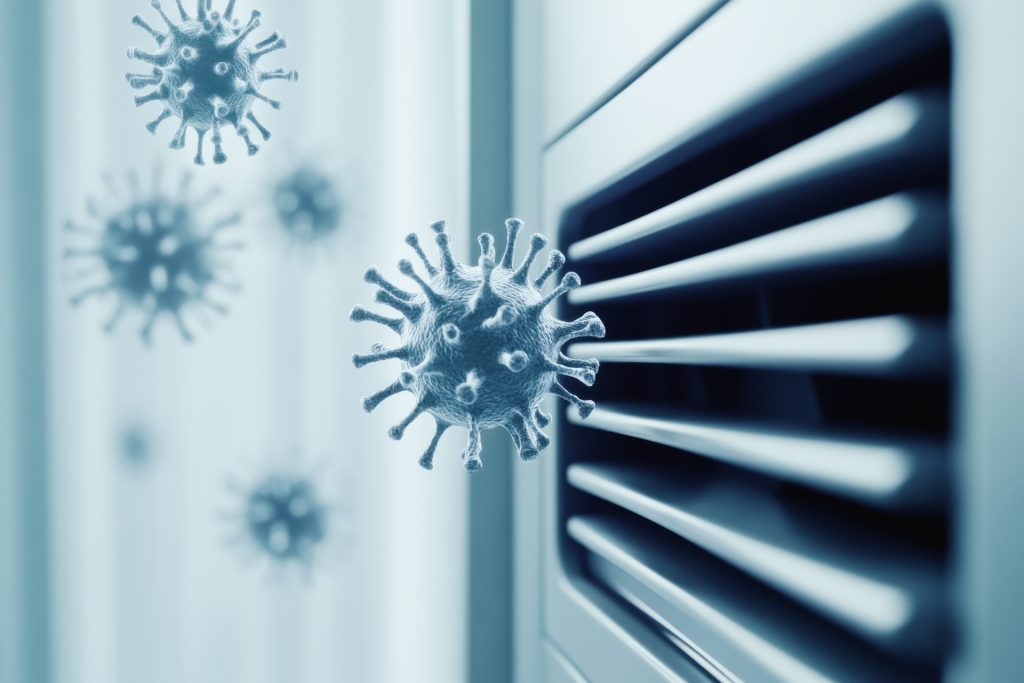
Identify Airborne Contaminants
Detect hidden airborne pollutants through targeted sampling and analytical testing designed to identify contaminants affecting your indoor environment.
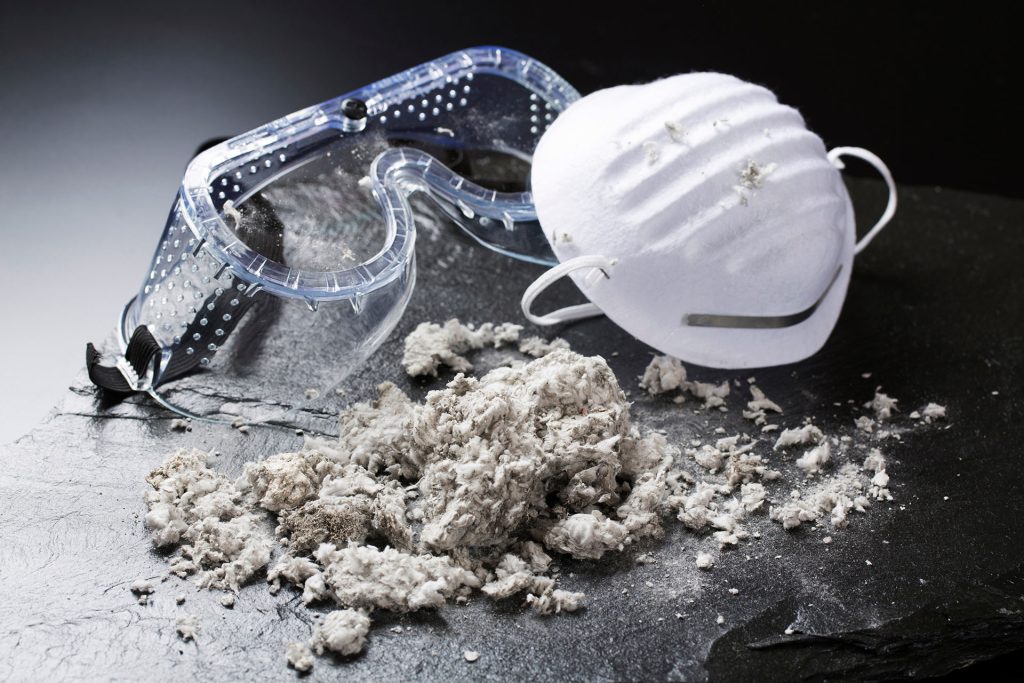
Investigate Potential Sources
Trace indoor air quality concerns to potential sources such as HVAC systems, moisture, building materials, chemicals, or workplace processes.

Document Workplace Exposures
Measure employee exposure to regulated airborne contaminants and compare results with applicable OSHA exposure limits and workplace requirements.
What Can Indoor Air Quality Testing Detect?
Brady Environmental can evaluate airborne contaminants including:
- Volatile organic compounds (VOCs)
- Formaldehyde
- Respirable crystalline silica
- Lead, chromium, and other metals
- Mold spores
- Bacteria
- Fungi
- Viruses
- Other airborne particulates and contaminants
Rather than testing indiscriminately, Brady Environmental can help determine which types of sampling and analysis are appropriate for the conditions being investigated.
How Indoor Air Testing Works
1. Discuss the Concern
We learn what prompted the investigation, including occupant concerns, recent work, moisture, odors, or other changes in the building.
2. Evaluate the Facility
We inspect affected areas and evaluate ventilation, building systems, materials, and other conditions that may be contributing to the problem.
3. Collect and Analyze Samples
We collect appropriate samples using calibrated equipment and send them for laboratory analysis when needed.
4. Review the Findings
We interpret the results, explain what they mean, and help identify potential sources and appropriate next steps.
What Can Affect Indoor Air Quality?
Finding a contaminant is only part of an indoor air quality investigation. Understanding where it may be coming from can help address the underlying condition instead of focusing only on the symptom.
Potential contributors include:
- Poorly maintained or contaminated HVAC systems
- Insufficient ventilation or stagnant airflow
- Water intrusion and excessive moisture
- VOCs released by paints, adhesives, furnishings, or building materials
- Cleaning products and other chemicals
- Dust generated by construction or workplace processes
- Mold and other biological contaminants
- Pest activity
- Recent renovation or remodeling
Evaluating both the contaminants and their possible sources gives facility owners and managers better information for determining how a problem should be addressed.
When Air Quality Concerns Point to Mold
Moisture problems and mold growth are common contributors to indoor air quality concerns, but a suspected mold problem may require a more focused assessment.
Brady Environmental provides professional mold testing and assessment services to identify potential mold growth, investigate moisture conditions, collect appropriate samples, and provide the information needed to plan remediation when necessary.
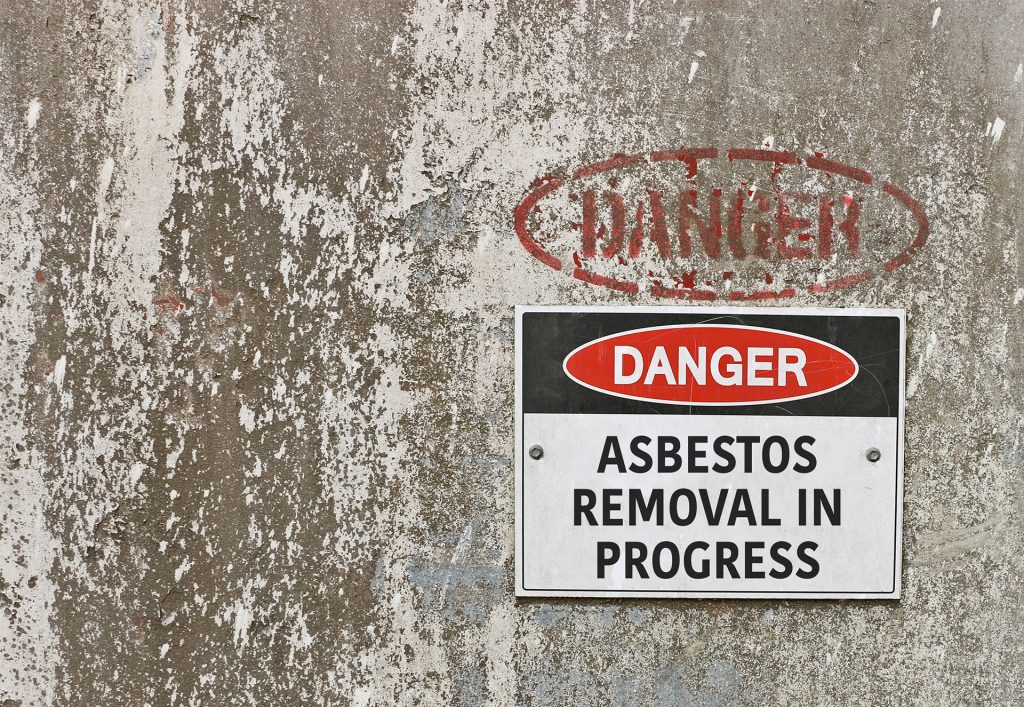
Indoor Air Quality Testing That Focuses on the Problem
Brady Environmental brings environmental testing, industrial hygiene, and consulting experience together to evaluate each facility based on the conditions actually present.
Air Quality Testing FAQs
What are signs that a building may have an indoor air quality problem?
Indoor air quality concerns may be prompted by unusual odors, visible moisture, recurring dust, ventilation problems, or complaints such as headaches, fatigue, difficulty concentrating, or irritation of the eyes, nose, throat, or lungs. Because these symptoms can have many causes, testing and investigation can help determine whether building conditions or airborne contaminants may be contributing to the problem.
What does Indoor Air Quality Testing check for?
Testing is based on the suspected problem rather than a single standard panel. Depending on the facility and concern, Brady Environmental may evaluate VOCs, formaldehyde, silica, metals, mold spores, bacteria, fungi, particulates, and other airborne contaminants.
Does OSHA require Indoor Air Quality Testing?
OSHA does not have one general indoor air quality standard. However, OSHA does establish requirements for ventilation and exposure limits for certain airborne contaminants. Employers may need exposure monitoring when workers could be exposed to regulated substances. Brady Environmental can help determine the appropriate testing for the contaminants and workplace conditions being evaluated.
What happens if testing identifies an air quality problem?
The next step depends on what was found and its likely source. Corrective measures may involve improving ventilation, addressing moisture, modifying a workplace process, removing or controlling a contaminant source, or conducting additional testing. Brady Environmental can also provide consulting and remediation-design support when a more extensive response is needed.
Find Out What’s Affecting Your Indoor Air
When employees, occupants, or facility managers raise concerns about the air inside a building, guessing at the cause can delay the solution.
Brady Environmental combines professional investigation, targeted testing, and environmental expertise to help you identify the problem and determine what to do next.